
Skin tags, common but discomforting, are more prevalent in overweight individuals with certain medical conditions. Certified skin tag removal doctors offer safe, effective solutions like cryotherapy, laser treatments, and surgery, emphasizing precision and lower recurrence rates over DIY methods. Post-removal care, including protective dressing and specialized moisturization, is crucial for optimal healing. Consult a certified skin tag removal doctor for tailored, professional care.
Skin tags, those small, harmless but often unsightly growths, affect many people. Despite their benign nature, they can cause discomfort and self-consciousness. Traditional removal methods range from painful to ineffective. Fortunately, a certified skin tag removal doctor offers safe, effective solutions. These professionals leverage advanced techniques and expertise to gently and precisely eliminate skin tags, providing lasting relief. This article delves into the world of professional skin tag removal services, reviewing top practices and highlighting the benefits of seeking expert care for achieving clear, confident skin.
- Understanding Skin Tags: Causes, Types, and Common Concerns
- Finding a Certified Skin Tag Removal Doctor Naturally
- Evaluating Safety and Effectiveness: Procedures and Technologies
- Post-Removal Care: Tips for Fast Healing and Preventing Recurrences
Understanding Skin Tags: Causes, Types, and Common Concerns

Skin tags, those small, soft bumps that can appear anywhere on the body, are a common concern for many individuals. While they are typically harmless, they can cause discomfort, especially when located in areas prone to friction or irritation. Understanding the causes and types of skin tags is an essential first step in addressing this issue effectively.
The primary trigger for skin tag development is friction or constant pressure on a particular area. This includes folds of skin, where the skin rubs against itself or clothing, such as the neck, armpits, groin, and waistline. They are more prevalent in people who are overweight or have certain medical conditions like diabetes, hypertension, or insulin resistance. Additionally, they can run in families, suggesting a potential genetic predisposition. There are various types of skin tags, including acral (appearing on palms and soles), angular, cutaneous, and verruciform, each with distinct characteristics and behaviors.
When seeking professional help for skin tag removal, it’s crucial to consult a certified skin tag removal doctor. Clinics like Preston’s renowned skin tag clinic, Southend-on-Sea’s leading facility, and Liverpool’s trusted skin tag clinic offer specialized services. These experts can provide valuable insights tailored to individual needs. For instance, a dermatologist might recommend non-surgical methods such as freezing (cryotherapy) or using a scalpel for smaller tags. In some cases, surgery may be advised for larger, more persistent tags. It’s essential to address concerns like pain, potential scarring, and recurrence during consultations to ensure the best outcomes.
Finding a Certified Skin Tag Removal Doctor Naturally
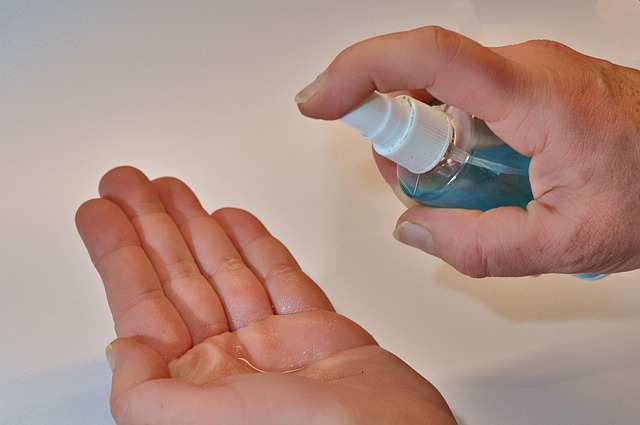
Removing skin tags at home can seem appealing due to its accessibility and perceived gentleness. However, for many individuals, especially those with larger or persistent skin tag clusters, a certified skin tag removal doctor naturally offers a more effective and safer solution. This is where specialized clinics like Preston Skin Tag Clinic step in, providing expertise that goes beyond over-the-counter remedies.
A certified skin tag removal doctor naturally leverages advanced techniques such as cryotherapy (freezing), laser treatments, or surgical excision, performed under local anesthesia. These methods are not only more efficient at eliminating skin tags but also minimize the risk of scarring and potential infections associated with unsanitary DIY attempts. For instance, a study published in the Journal of Dermatological Case Reports highlighted the effectiveness of cryotherapy in treating skin tags, demonstrating its safety and efficiency when performed by trained professionals.
Knowing when to see a specialist for skin tags is crucial. If your skin tags are causing discomfort, persistent despite home remedies, or if you notice any changes in their appearance (size, color, texture), consulting a certified professional is advisable. For many, the decision to seek expert help comes after repeated attempts to remove tags at home have proven unsuccessful. A personal testament from a client who previously struggled with skin tags shares: “After years of trying every home remedy under the sun, I finally visited Preston Skin Tag Clinic. The entire process was quick, virtually painless, and the results were immediate.”
Selecting a reputable clinic like Preston Skin Tag Clinic ensures you receive care from certified professionals using sterile equipment and up-to-date practices. This not only enhances safety but also guarantees optimal outcomes. Remember, while DIY methods may offer temporary relief, they can’t match the expertise and precision of a certified skin tag removal doctor naturally. Trusting your skin’s health to a specialist is a wise decision that promotes both efficiency and long-term satisfaction with the results.
Evaluating Safety and Effectiveness: Procedures and Technologies

When considering professional skin tag removal services, safety and effectiveness should be paramount. One key aspect to evaluate is the expertise of the service provider. Look for certified skin tag removal doctors who possess specialized training in dermatological procedures. These professionals are equipped with the knowledge to employ safe and effective techniques, ensuring minimal discomfort and reduced risk of complications. For instance, a study published in Dermatologic Surgery highlighted the importance of proper training, demonstrating that certified specialists achieve higher patient satisfaction rates compared to those without formal education in skin tag removal.
The technologies employed by these specialists also play a crucial role. Modern approaches include laser treatments, cryotherapy, and surgical excision. Each method has its advantages; for instance, lasers can be precise and effective for smaller tags, while cryotherapy is suitable for larger ones. Skin tag removal specialists in Preston, Bournemouth, and Newcastle often utilize advanced equipment, ensuring accurate diagnoses and tailored treatments. For example, a private skin tag removal clinic in Preston may offer both laser and surgical options, catering to diverse client needs and preferences.
Moreover, reputable professionals follow strict hygiene protocols to maintain a safe environment. Sterilized instruments and single-use materials are essential to prevent infections. Reputable services will also provide comprehensive aftercare instructions, guiding patients on caring for treated areas to ensure optimal healing. Remember, while natural remedies have their allure, they may not be as effective or safe as professional methods. Consulting with a certified doctor is advisable to make an informed decision based on reliable evidence and expert judgment.
Post-Removal Care: Tips for Fast Healing and Preventing Recurrences

After a successful skin tag removal procedure by a certified skin tag removal doctor, proper post-removal care is paramount for optimal healing and minimizing the risk of recurrence. While many opt for at-home treatments, such as using over-the-counter medications or trying natural remedies like apple cider vinegar, these methods may not be as effective or gentle as professional services. For instance, a private skin tag removal service in Liverpool can offer specialized care tailored to individual needs, ensuring the best possible outcome.
The first 24-48 hours post-removal are critical. It’s crucial to keep the treated area clean and dry, avoiding strenuous activities that may irritate it. Many certified doctors recommend applying a gentle, sterile dressing provided by their clinic to protect the site and promote healing. Additionally, using mild, fragrance-free soaps and patting the skin gently rather than rubbing can help prevent further irritation. During this time, it’s also advisable to avoid scratching or touching the area, as it could disrupt the healing process and increase the likelihood of infection.
In terms of what type of doctor removes skin tags, dermatologists and certified skin tag removal specialists are the most qualified professionals for this task. They possess in-depth knowledge of skin anatomy and pathologies, enabling them to perform the procedure with precision and safety. For instance, a study published in the Journal of Dermatological Treatment found that professional removal by trained practitioners significantly reduces recurrence rates compared to at-home treatments. While some natural methods may offer temporary relief, they often fail to address the root cause, leading to repeated skin tag appearance.
To enhance healing and prevent recurrences, patients should consider following specific tips. One effective strategy is applying a cold compress for a few minutes several times daily to reduce swelling and discomfort. Additionally, keeping the area moisturized with an unscented, hypoallergenic cream can aid in the healing process by softening the skin and preventing dryness. It’s also important to be mindful of sun exposure; protecting the treated skin from direct sunlight with clothing or broad-spectrum sunscreen is advisable for at least a week post-removal. Lastly, regular check-ins with your certified doctor allow them to assess healing progress and offer tailored advice, further minimizing the chance of complications.
After exploring reviews on professional skin tag removal services, it’s clear that a comprehensive understanding of skin tags is crucial. The article revealed key insights into causes, types, and common concerns related to these benign growths. It highlighted the importance of finding a certified skin tag removal doctor naturally who employs safe and effective procedures, such as laser treatments or surgical excision. Furthermore, post-removal care plays a significant role in fast healing and preventing recurrences. By following practical tips outlined in this guide, readers can make informed decisions, ensuring both optimal results and peace of mind when addressing skin tags.