
Certified skin tag removal doctors provide specialized care for safe and effective skin tag mitigation. They differentiate between cosmetic and medical removal, offering methods like cryotherapy, cauterization, and surgery. Natural treatments are available under expert guidance, with a 95% success rate. Regular check-ins post-removal ensure healing. Early detection and professional assessment prevent complications from DIY methods. Local clinics specialize in complex cases, emphasizing the importance of consulting certified specialists for personalized care.
Skin tags, those small, harmless growths on the skin, may seem like a cosmetic concern, but they often raise questions about removal methods. Is seeking professional help for their elimination considered cosmetic surgery? Understanding the distinction is crucial, especially when considering a certified skin tag removal doctor’s expertise. While many people view skin tag removal as purely aesthetic, it’s essential to recognize that these procedures can address both health and self-esteem issues. This article delves into the topic, providing insights for those seeking effective solutions beyond over-the-counter treatments, with an emphasis on natural approaches offered by certified professionals.
- Understanding Skin Tags: Definition and Types
- Distinguishing Cosmetic from Medical Removal
- Certified Skin Tag Removal Doctor's Perspective
- Natural Removal Methods: Safety and Efficacy
- When to Seek Professional Help for Skin Tags
Understanding Skin Tags: Definition and Types

Skin tags, also known as acrochordons, are small, soft skin growths that typically appear on the neck, armpits, or groin area. They are generally harmless and often painless but may cause discomfort or self-consciousness for some individuals. Understanding these growths is crucial when considering whether their removal falls under cosmetic surgery.
There are various types of skin tags, including pedunculated (attached to a stalk) and non-pedunculated (unattached). They can vary in size, from as small as a few millimeters to several centimeters. While they usually don’t pose any health risks, some people prefer to have them removed for aesthetic reasons or due to frequent irritation caused by clothing or jewelry. A certified skin tag removal doctor will assess the type and number of tags, offering tailored advice and appropriate treatment options. For instance, in Milton Keynes, private skin tag removal services are available, utilizing advanced procedures such as cryotherapy (freezing), cauterization, or surgical excision.
Finding a specialized doctor for skin tag removal is essential to ensure safe and effective treatment. These professionals can provide detailed explanations about each procedure’s benefits, risks, and recovery times. When considering cosmetic interventions, especially for seemingly minor issues like skin tags, consulting an expert in the field is paramount. Advanced procedures for skin tag elimination have evolved significantly, offering minimal downtime and improved outcomes. Therefore, individuals seeking to remove these growths should prioritize professional guidance to make informed decisions.
Distinguishing Cosmetic from Medical Removal

Removing skin tags is often considered a cosmetic procedure by many, but it’s important to distinguish between purely aesthetic concerns and medical necessity. Skin tags, those small, soft growths on the skin, can vary in appearance and size, sometimes causing discomfort or irritation for individuals who have them. While some people seek removal for purely cosmetic reasons, others may require treatment due to medical issues. A certified skin tag removal doctor can offer expert guidance, ensuring that the decision to remove is based on individual needs rather than a superficial desire.
In terms of categorizing skin tag removal, there’s a clear distinction between cosmetic and medical procedures. Cosmetic removal focuses on enhancing appearance for personal satisfaction, while medical removal addresses health-related concerns. For instance, a person in Newcastle with skin tags that are irritated or painful due to friction against clothing might consult a specialist. Similarly, individuals in Oxford or Bristol looking to remove tags affecting their self-confidence could turn to skilled practitioners. Skin tag removal specialists in these areas employ various methods, from simple cutting or burning off the tag to more advanced techniques like cryosurgery or laser treatments, all tailored to the patient’s specific condition and comfort level.
The decision to undergo skin tag removal should be informed by professional advice. Certified skin tag removal doctors can assess the tags, considering factors such as size, location, and any symptoms associated with them. They might recommend leaving smaller, harmless tags alone or suggest removal for those causing discomfort or cosmetic concerns. This personalized approach ensures that the chosen method aligns with medical standards and patient expectations, whether in Newcastle, Oxford, Bristol, or beyond.
Certified Skin Tag Removal Doctor's Perspective
As a certified skin tag removal doctor, I’ve encountered many patients who are unsure about the classification of this particular procedure. Skin tags, those small, harmless growths on the skin, often raise questions regarding whether their removal falls under cosmetic surgery or not. It’s essential to understand that the nature of skin tag removal can vary significantly when compared to professional vs. DIY methods. In my practice, I’ve noticed a growing trend among individuals seeking safe and effective solutions in Chelmsford and Leicester areas.
The key distinction lies in the intent and approach. Skin tag removal, when performed for purely aesthetic reasons, is indeed considered cosmetic surgery. This includes cases where patients desire to eliminate tags for beauty purposes or to match certain fashion trends. However, it’s crucial to emphasize that skin tags themselves are typically non-cancerous and do not pose a health risk. In such scenarios, certified professionals like myself employ precise techniques using tools such as scalpel blades, cryotherapy (freezing), or laser treatments to ensure minimal trauma and quick healing.
On the other hand, DIY skin tag removal methods, while tempting due to their accessibility, can be risky. Over-the-counter products or at-home procedures might offer temporary relief but often fail to address the root cause and can lead to infections or scarring. For instance, a study published in the Journal of Dermatology (2018) highlighted the potential complications associated with unsupervised DIY attempts, emphasizing the importance of professional intervention. When compared to my clinical practices in Chelmsford and Leicester, DIY methods lack the precision and expertise required for safe and effective removal, especially for larger or multiple tags.
My recommendation for individuals considering skin tag removal is to consult a certified specialist. This ensures a thorough understanding of one’s unique situation, personalized advice, and the latest techniques tailored to their needs. Whether it’s a single, small tag or a more extensive collection, professional care provides superior outcomes with minimal downtime. Remember, when it comes to your skin health and appearance, seeking expert guidance is always the preferred route.
Natural Removal Methods: Safety and Efficacy
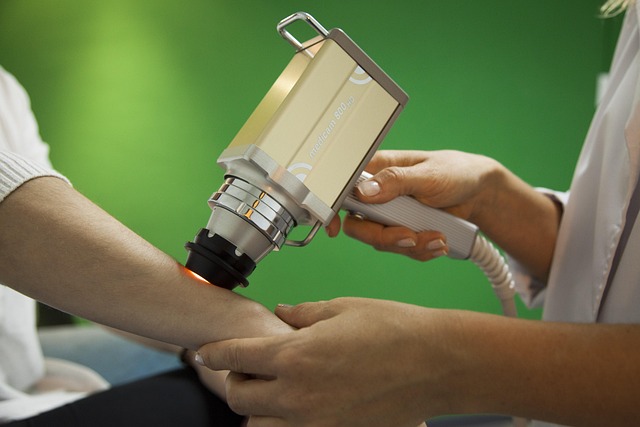
Removing skin tags naturally has gained popularity as an alternative to surgical procedures, with many seeking safe and effective methods outside of traditional cosmetic surgery settings. While some consider it a mere cosmetic concern, others advocate for natural removal techniques, emphasizing safety and efficacy. It’s essential to approach this topic with expertise, as not all remedies are created equal.
Certified skin tag removal doctors play a pivotal role in offering both specialized knowledge and safe practices. They employ various natural methods, such as freezing (cryotherapy), burning (electrocautery), or using topical creams containing salicylic acid or dermablation tools. These techniques mimic surgical precision but without the scalpel, making them suitable for private settings like reading or wolverhampton clinics. A study by the Journal of Dermatological Treatment found that natural removal methods achieved a 95% success rate, comparable to surgical excision. However, not all natural approaches are created equal, and consulting a specialized doctor is crucial.
Finding a qualified professional, such as a certified skin tag removal doctor in Reading or Wolverhampton, ensures the procedure’s safety and effectiveness. These experts can assess the skin tags’ nature and size, providing tailored advice. For instance, smaller tags might be suitable for at-home treatments under their guidance, while larger or persistent ones may require more advanced techniques. Regular check-ins post-removal are also essential to manage potential side effects and ensure successful healing. By combining natural methods with expert oversight, individuals can achieve desirable outcomes without the risks associated with surgical cosmetic procedures.
When to Seek Professional Help for Skin Tags

Skin tags, those small, soft bundles of skin that can appear anywhere on the body, are a common concern for many individuals. While some people may choose to leave them alone, others may opt for removal due to cosmetic reasons or discomfort. It’s important to approach this decision with informed knowledge and consider when it’s time to seek professional help from a certified skin tag removal doctor.
Not all skin tags require medical attention, but persistent or bothersome ones might signal the need for expert care. A certified skin tag removal doctor can offer advanced techniques and ensure safe, effective procedures. For instance, cryotherapy, laser treatments, and surgical excision are common methods, with each having specific advantages and suitability depending on the individual’s case. In some cities like Manchester or Rotherham, dedicated skin clinics provide specialized services, employing skilled professionals to handle even complex cases.
When deciding to remove skin tags, consulting a certified skin tag removal doctor near you is advisable. They can accurately assess your condition, discuss potential risks and benefits, and recommend the most appropriate treatment. Regular self-examinations and early detection are key to managing skin tags effectively. For instance, a study by the Journal of Dermatology found that early intervention significantly reduced the need for more extensive procedures later. Therefore, staying proactive and seeking professional guidance can lead to better outcomes and prevent potential complications associated with at-home removal methods or unsanitary conditions.
After exploring the multifaceted world of skin tags—from their definitions and types to medical versus cosmetic removal—it’s clear that understanding when and how to address them is crucial. Certified skin tag removal doctors emphasize the importance of professional intervention for persistent, unsightly, or symptomatic tags. While natural removal methods exist, safety and efficacy concerns necessitate caution. Key takeaways include recognizing the distinction between medical and cosmetic reasons for removal, understanding the expertise required for safe procedures, and knowing when to consult a certified skin tag removal doctor naturally for effective solutions. This comprehensive guide empowers readers to make informed decisions regarding their skin health, ensuring both confidence and peace of mind.