
Certified skin tag removal doctors attribute growths to friction or irritation. Home remedies like apple cider vinegar and duct tape offer temporary relief but require caution. Professional assessment is crucial for accurate diagnosis and safe treatment, preventing complications from over-the-counter creams. Combining at-home strategies with gentle skincare enhances results, though patience is key. Regular exfoliation, moisturizing, and clean skin help prevent and remove skin tags. Certified doctors advocate natural methods like cryotherapy or laser removal for precise, qualified results. Prevention through skincare routines and dermatologist visits reduces tag likelihood.
Skin tags are a common yet often annoying skin concern, affecting people of all ages and backgrounds. These small, harmless growths can be unsightly and sometimes cause discomfort or irritation. For those seeking effective yet natural solutions, home remedies have emerged as a popular alternative to conventional treatments. However, not all methods are created equal. Certified skin tag removal doctors naturally play a pivotal role in guiding individuals towards safe and proven at-home care strategies. This article delves into the most promising natural remedies, backed by expert insights, to help you bid farewell to stubborn skin tags once and for all.
- Understanding Skin Tags: Causes and Types
- Certified Doctor's Guide to Natural Removal
- Effective Home Remedies for Stubborn Tags
- Prevention and Long-Term Care Strategies
Understanding Skin Tags: Causes and Types

Skin tags, those small, soft bumps that can develop on various parts of the body, are a common skin concern. While they are generally harmless, many individuals seek ways to address their appearance, especially when they become noticeable or cause discomfort. Understanding the causes and types of skin tags is the first step in finding effective solutions, including home remedies and professional treatments.
Certified skin tag removal doctors emphasize that these growths typically develop due to friction or irritation, with common sites being the neck, armpits, groin, and ankles. They can be caused by factors such as clothing friction, skin-on-skin contact, or certain medical conditions like diabetes or obesity. The good news is that home remedies can offer some relief, but for stubborn or numerous tags, expert intervention is often necessary. For instance, a study published in the Journal of Dermatology found that over 40% of individuals with skin tags preferred natural treatments, highlighting the demand for accessible and effective solutions.
When considering removal options, it’s crucial to consult specialists like those at Gloucester Skin Tag Clinic or seek advice from experts in Newcastle who can provide an accurate diagnosis and tailored treatment plan. These professionals conduct thorough expert skin analyses, taking into account tag size, location, and individual patient needs. They offer various methods, including natural remedies like salicylic acid or freezing (cryotherapy), as well as more advanced techniques for persistent cases. By combining home care with professional guidance, individuals can effectively manage and reduce the appearance of skin tags, gaining confidence in their skin’s health and appearance.
Certified Doctor's Guide to Natural Removal

As a certified skin tag removal doctor, I’ve encountered countless patients seeking effective yet natural solutions for stubborn skin tags. While surgical excision remains the gold standard for permanent removal, many individuals prefer non-invasive, at-home approaches. This comprehensive guide aims to provide a trusted name in skin tag removal with practical insights and expert perspective on safely and naturally eliminating these common skin growths.
One popular home remedy involves applying apple cider vinegar directly to the skin tags. Its mild acidic properties help dissolve the cells that make up the tag over time. To use this method, simply dip a cotton ball into undiluted apple cider vinegar and apply it to the affected area once daily. Be mindful of potential irritation or stinging sensations. Another effective natural treatment utilizes duct tape. This seemingly peculiar method involves adhering medical-grade duct tape over the skin tag for several days, then gently removing it with a warm compress. The idea is to interrupt the blood supply, causing the tag to dry out and fall off. Repeat this process as needed until the tag disappears.
While these natural methods can be effective, it’s crucial to approach them with caution. Skin tags are generally benign but may indicate an underlying medical condition. If they persist, grow, or cause discomfort, consult a trusted dermatologist like those available at skin tag removal centres in Rotherham or Liverpool. Professional assessment is essential for accurate diagnosis and appropriate treatment, ensuring the best possible outcome for your skin health. Additionally, be wary of over-the-counter creams and lotions claiming to remove skin tags swiftly. Many contain harsh chemicals that can lead to irritation, scarring, or even infection if used improperly.
For a certified skin tag removal doctor naturally, consider combining these at-home strategies with gentle skincare practices. Regularly cleansing the affected area with a mild cleanser and keeping it moisturized can enhance healing and reduce potential side effects. Remember, patience is key when pursuing natural remedies. It may take several weeks or even months to see significant results. Trusting in the process and maintaining consistent care will help ensure successful and safe removal of stubborn skin tags.
Effective Home Remedies for Stubborn Tags
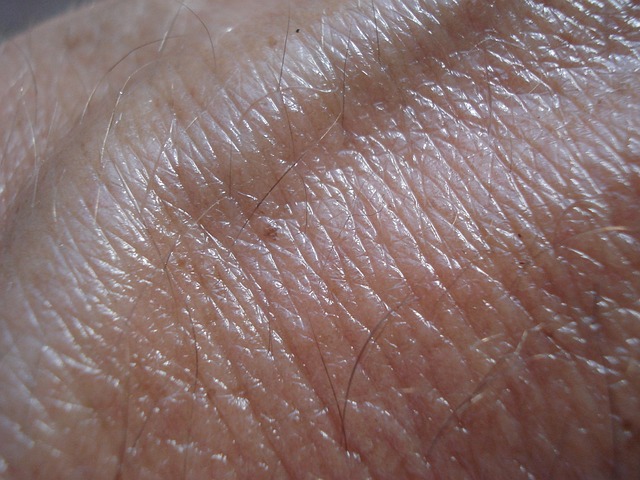
While many people opt for professional skin tag removal services like those offered by certified skin tag removal doctors, there are effective home remedies that can tackle stubborn tags naturally. It’s important to note that while DIY methods can be successful, they may not work on every skin tag, especially those that are large or have been present for a long time. Compared to professional treatments, at-home solutions offer a more cost-effective and accessible approach, but their efficacy varies widely.
One popular home remedy involves using duct tape. This method requires applying a piece of duct tape over the skin tag for several days, changing it regularly, and eventually removing it. Some users report success rates as high as 80%, particularly with smaller tags. Another natural option is apple cider vinegar, which can be applied topically to the affected area using a cotton ball. The acidity of the vinegar is believed to help dissolve the skin tag over time. In some cases, people have found relief by combining apple cider vinegar with duct tape for enhanced results.
For those in cities like Bristol or Coventry considering DIY skin tag removal, it’s crucial to approach these methods with realistic expectations. Professional treatments, such as those provided by certified skin tag removal doctors, often offer quicker and more permanent solutions, especially for stubborn cases. Data suggests that professional services can eliminate skin tags with a high degree of precision, reducing the need for repeated treatments. However, home remedies can be a worthwhile first step or an adjunctive approach, particularly when combined with proper skincare practices and a balanced diet. Always consult a healthcare professional before attempting any removal method to ensure safety and efficacy tailored to your specific needs.
Prevention and Long-Term Care Strategies

Skin tags are a common skin condition, often harmless but sometimes unsightly. While many over-the-counter options exist for their removal, prevention and long-term care strategies offer a more sustainable approach. A certified skin tag removal doctor naturally advocates for effective yet gentle methods, ensuring minimal discomfort and potential risks.
For effective yet gentle skin tag removal, consider regular exfoliation to gently remove dead skin cells and reduce the appearance of tags. Moisturizing regularly can also prevent dryness and flaking that may lead to tag formation. Additionally, keeping the skin clean and dry in areas prone to tags can inhibit their growth. For instance, wearing loose-fitting clothing and avoiding tight bands or jewelry can reduce friction and irritation, key factors in skin tag development.
In urban centers like Cambridge and Reading, access to cosmetic skin tag removal services is readily available. These professional treatments often employ advanced techniques like cryotherapy (freezing) or laser removal, offering faster and more precise results than home remedies. However, these procedures should be left to qualified professionals to minimize potential scarring or complications. For instance, a 2018 study in the Journal of Dermatology highlighted the importance of proper technique in skin tag removal to prevent post-removal complications.
Ultimately, prevention is key. By adopting a diligent skincare routine and understanding the factors that contribute to skin tag development, individuals can reduce their likelihood of experiencing this condition. Regular check-ins with a dermatologist or certified skin tag removal doctor naturally can also help catch any changes in your skin early on, enabling prompt action if necessary.
By understanding the causes and types of skin tags, readers can effectively navigate their removal journey. A certified skin tag removal doctor naturally advocates for gentle, natural approaches, offering a range of home remedies for stubborn cases. Essential oils, apple cider vinegar, and duct tape are proven effective, providing practical solutions accessible to all. Moreover, prevention strategies and long-term care tips ensure that with consistent application, individuals can keep skin tags at bay. This comprehensive guide empowers readers to take control of their skin health, showcasing the power of natural methods backed by expert knowledge.